
6 min read
What Is an AI Wedding Venue Assistant? A Complete Guide for Venue Owners
What exactly does an AI wedding venue assistant do? Learn how venue-specific AI can support inquiries, sales, tours, planning and client communication.
5 min read

A couple finds your venue at 9:47 p.m.
They've spent the evening scrolling through photos, comparing packages, checking dates, and imagining their wedding day. They finally fill out your inquiry form.
They're interested. They're excited. And they're probably not contacting only you.
What happens next matters.
For many wedding venues, the problem isn't generating another lead. It's what happens to the leads they already have.
An inquiry arrives after hours. A team member plans to respond in the morning. Morning turns into tours, meetings, vendor calls, floor plans, staffing issues, and an event happening that afternoon.
The response gets delayed.
Or the first response goes out—but nobody follows up three days later.
Or the couple tours the venue, leaves excited, and then hears nothing until someone on the team remembers to check back in.
None of these situations happen because your team doesn't care. They happen because running a wedding venue requires people to do an enormous number of things at the same time.
And somewhere between inquiry and booking, opportunities quietly disappear.
Lost leads aren't always obvious.
A couple usually doesn't email and say, “We booked somewhere else because it took you too long to respond.”
They simply stop replying.
That's what makes missed opportunities difficult for venue owners to measure. You see an inquiry that went cold. What you don't necessarily see is why.
The problem isn't necessarily the quality of your venue. Sometimes it's the process surrounding it.
Wedding venue sales are unusual.
Your customers often research one of the biggest purchases of their lives after they're finished with their own workday.
They're sitting on the couch together at night. They're researching on Sundays. They're sending inquiries during dinner. They're looking at venues while your team is busy running someone else's wedding.
That creates a fundamental problem:
Your prospective couples are shopping while your venue team is often least available.
Hiring enough people to provide immediate, knowledgeable communication around the clock isn't realistic for most independent venues. Ignoring those inquiries until someone is available isn't ideal either.
That's one of the reasons AI has become particularly interesting for wedding venue operations.
A new lead arrives. Someone needs to determine what the couple wants, answer questions about packages, check availability, explain policies, provide pricing information, and ideally move them toward the next step. But the person responsible for doing that may also be managing today's wedding.
The couple doesn't respond. Now what? Follow up tomorrow? Three days from now? Next week? Who owns that task? Consistent follow-up is easy to design and surprisingly difficult to execute when your team is busy.
A couple schedules a tour two weeks away. Without consistent communication between booking and tour day, the momentum created by the initial inquiry can disappear.
They loved the venue. They said all the right things. Then they left. Now they're touring three more venues. This is one of the most important points in the sales journey—and another point where follow-up can depend entirely on whether someone remembers to do it.
Not every couple books within seven days. Some need weeks or months. Without a system keeping the conversation alive, those leads slowly move farther down the inbox until they're forgotten.
You can hire an incredible salesperson. You can create follow-up templates. You can build checklists. You can set calendar reminders.
But if the system still depends on someone remembering to execute every individual step, eventually something gets missed—especially during wedding season.
The better question becomes:
Which parts of this process actually require a human—and which parts simply require something to happen consistently?
That's where automation becomes powerful.
Imagine this instead.
A couple submits an inquiry.
They receive a knowledgeable response based on your actual venue, pricing, packages, policies and availability.
Their questions are answered. The conversation continues. If they're ready for a tour, they can move toward scheduling one. If they aren't ready, follow-up doesn't disappear because your team got busy. If something requires human judgment, your team can step in.
That's the philosophy behind Ella, Alpha Venue's AI venue assistant.
Ella is designed around the individual venue rather than a generic wedding-industry script. The venue defines the information she knows, the rules she follows, and when a conversation should be handed to a human.
Wedding venues aren't selling widgets. You're selling an experience.
Couples want to feel heard, understood, welcomed, and confident that the people behind their venue care about their wedding.
That shouldn't disappear. In fact, the purpose of automation should be the opposite.
Technology should handle the repetitive work so your people have more time for the work that actually requires people.
Let technology handle routine questions. Let it manage repetitive follow-ups. Let it help schedule appointments. Let it organize information.
Let your team handle relationships, complex decisions, emotional conversations, special circumstances, and the moments that create unforgettable events.
That's the model Alpha Venue is built around: automation supporting the repetitive work while venue teams remain focused on the moments requiring human judgment and hospitality.
Here's a simple exercise every venue owner should try.
Submit an inquiry to your own venue—not during office hours. Do it at 8:30 p.m. on a Friday.
Then experience your sales process exactly as a prospective couple would.
Ask yourself:
You might discover that you don't actually have a lead-generation problem.
You have a lead-management problem.
And fixing that could be far more valuable than simply finding more people to put into the top of your funnel.
You can't control which couples ultimately choose your venue.
You can control whether they receive a consistent experience while making that decision.
Every inquiry should be answered. Every qualified prospect should have a clear next step. Every tour should be supported. Every follow-up should happen. And every opportunity that needs human attention should reach the right person.
That's not about removing people from hospitality. It's about removing the administrative chaos that keeps great people from delivering it.
The question is what happens to it next.
Ready to see what an AI-powered venue sales process looks like?
Visit Alpha Venue to meet Ella and see the platform in action.
6 min read
What exactly does an AI wedding venue assistant do? Learn how venue-specific AI can support inquiries, sales, tours, planning and client communication.
3 min read
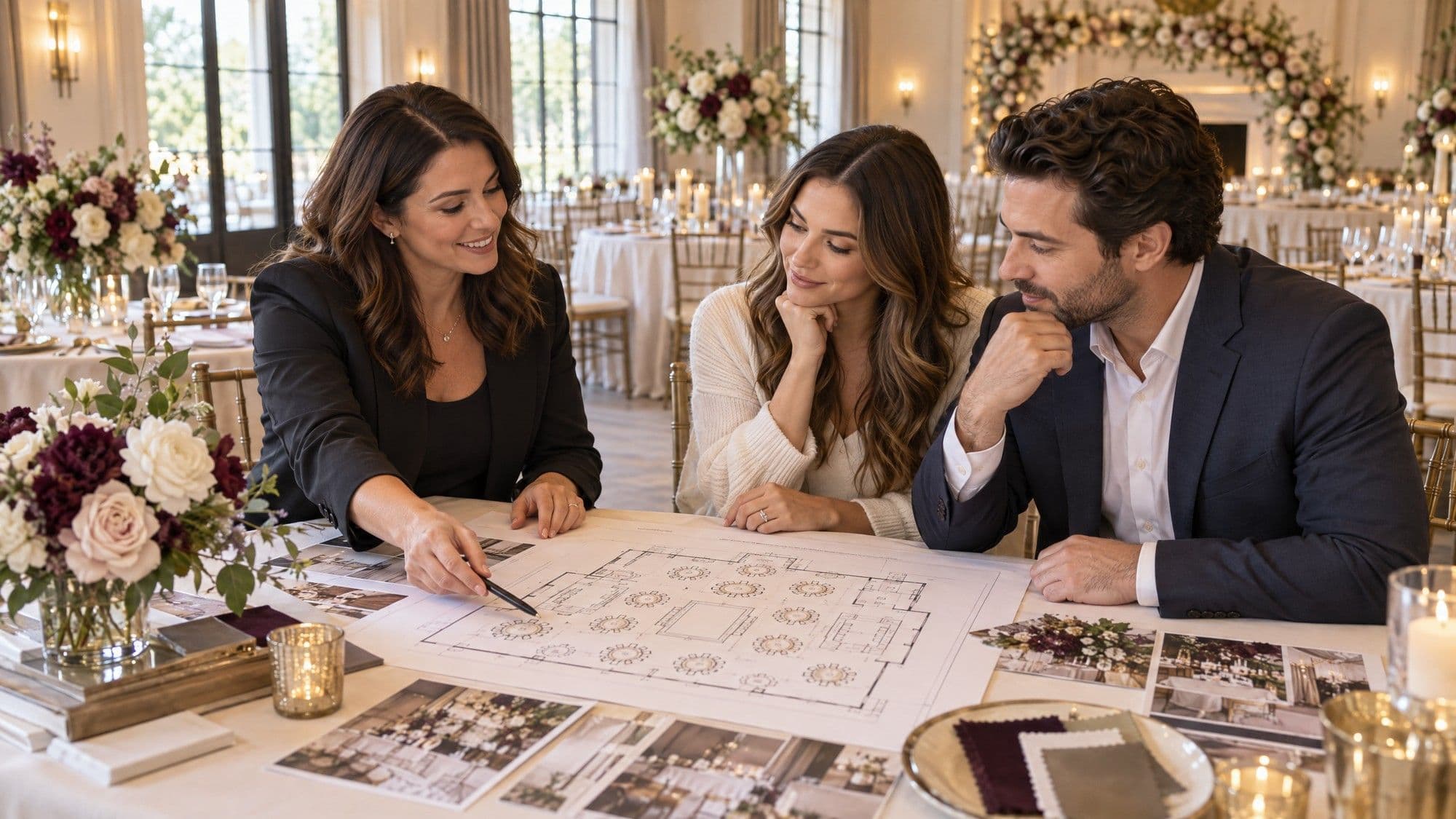
Planning meetings should feel personal and productive—not like an hour spent searching for answers, chasing notes, and promising to follow up later.

3 min read
Couples should not be able to tell when your communication moved from a team member to technology because the warmth, clarity, and personality of your venue suddenly disappeared.
45 minutes to see how Ella can help your venue.
Every lead answered. Every follow-up sent. Every wedding planned.