
6 min read
From First Message to Venue Tour: A Better Wedding Inquiry Experience
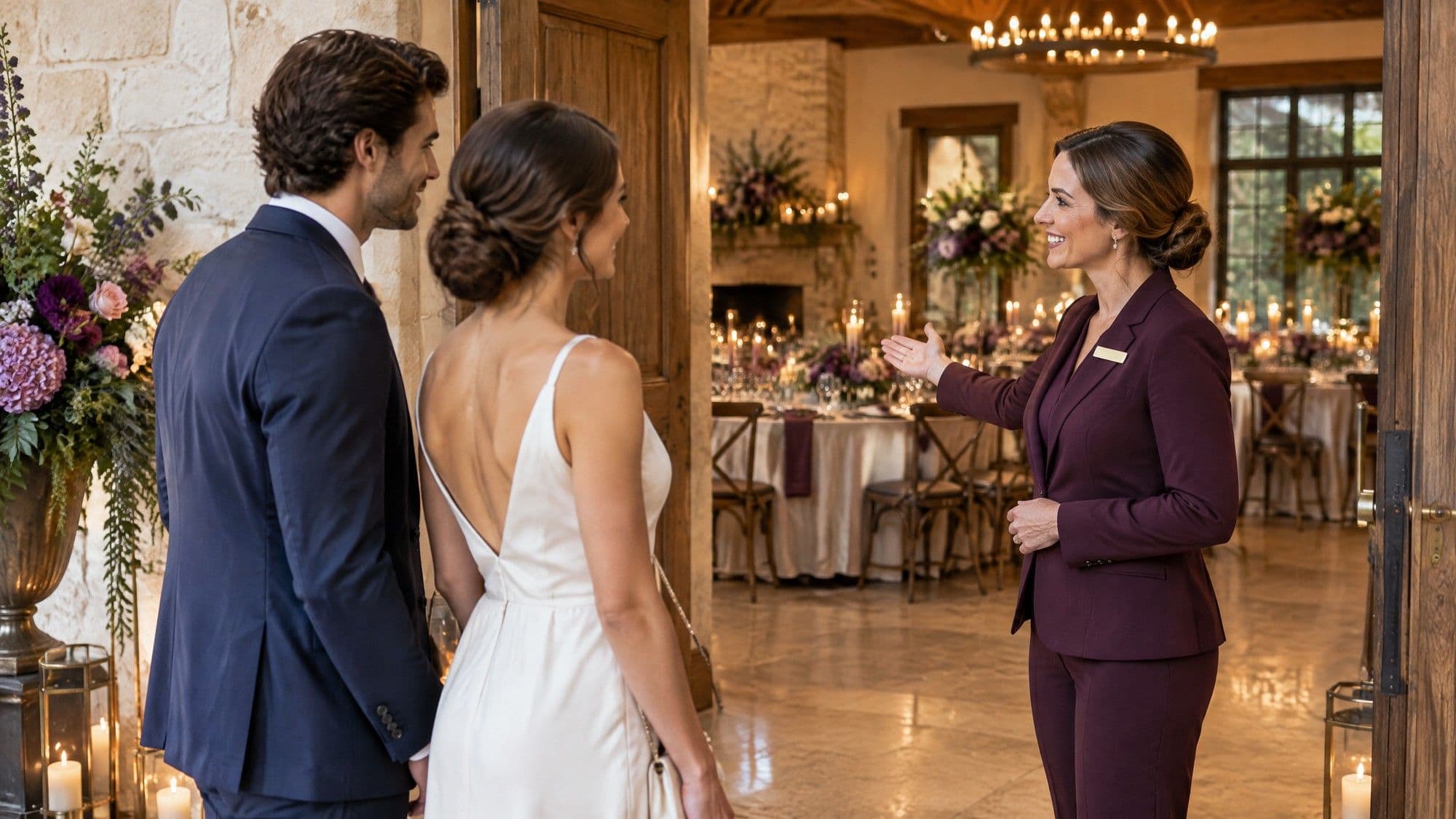
A better inquiry experience is more than a fast reply. It is a clear path from first message to useful answer to scheduled tour.
2 min read
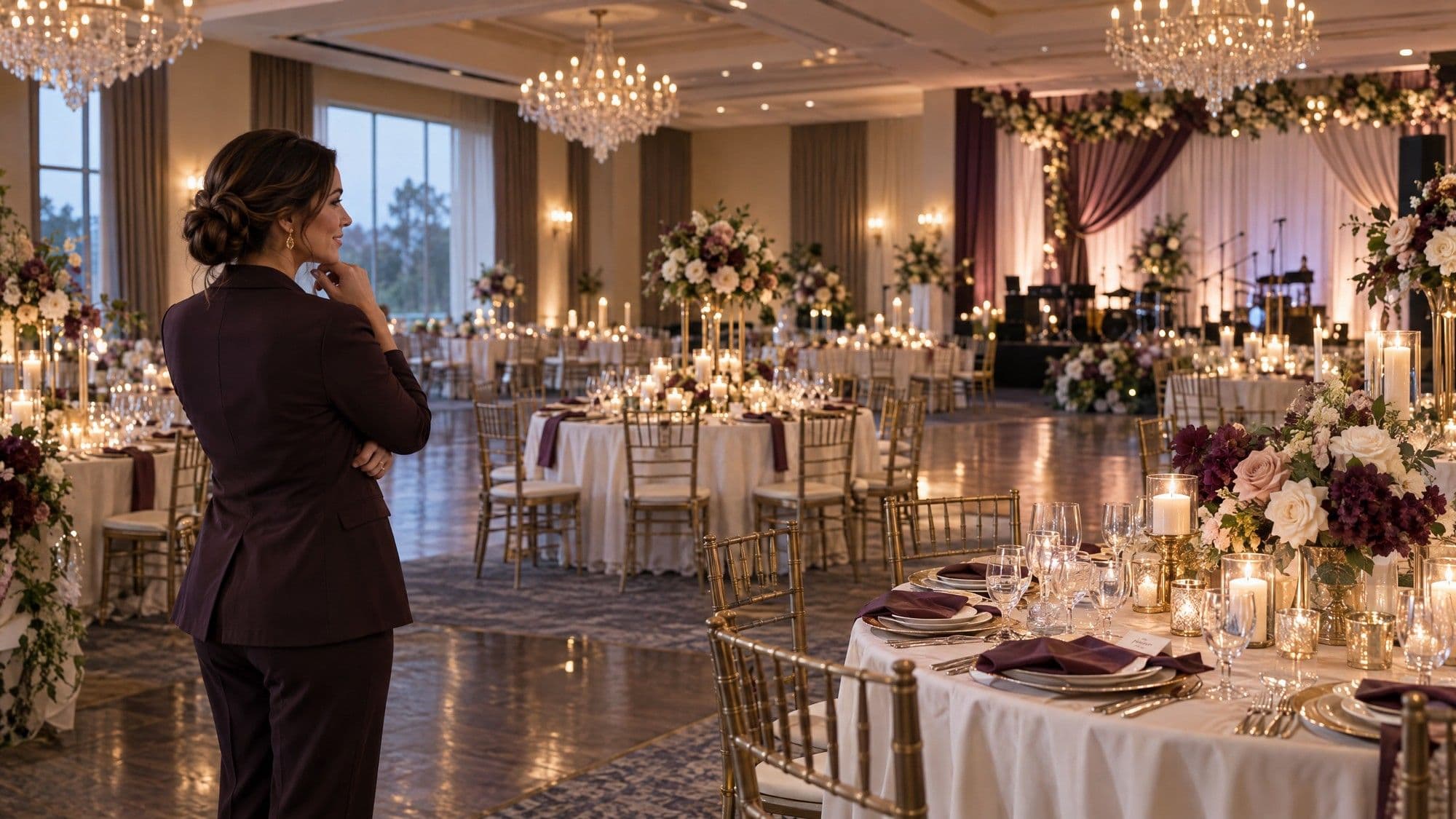
Venue owners naturally watch booking count. It is visible, exciting and easy to celebrate. But two weddings with the same contract value can create very different outcomes once labor, discounts, complexity, vendor coordination and operational strain are considered.
That is why profitability starts with a better question than “How many weddings did we book?” Ask: “Which bookings are best for the business we are actually built to run?”
A better booking is not simply the highest-priced wedding. It is one that fits your space, package structure, staffing model and operating strengths.
Your definition will be different from another venue’s. That is the point.
A lead for a peak Saturday, 220 guests and a heavily customized event is operationally different from a Friday wedding that fits an established package perfectly.
Qualification should help your team understand fit early—without making couples feel reduced to a score. Date, guest count, event type, priorities and package fit can help the team decide the right next step.
A $20,000 contract is not $20,000 of profit. Consider direct food and beverage costs, staffing, rentals, commissions, discounts, payment fees and any unusual labor created by the event.
More revenue can hide more complexity. Better visibility helps you see which bookings actually strengthen the business.
If technology helps your team respond faster and follow up consistently, the goal does not have to be “book everything.” It can be to create enough capacity to focus on the right opportunities and deliver a better experience to the couples who are a strong fit.
Ella can support venue-specific inquiries, follow-up, tour scheduling and planning conversations while your team retains control of pricing, exceptions and relationship-driven decisions.
Profitability can erode during planning. Track how many exceptions, revisions, additional meetings and manual touches different booking types require. A package that looks profitable on paper may need redesign if it repeatedly creates unplanned labor.
Look at booking count alongside average contribution, peak-date utilization, inquiry-to-tour conversion, tour-to-booking conversion, staff hours per booking, exception volume and client experience signals.
No single metric tells the story. Together they help you see whether growth is making the business stronger or simply busier.
A profitable venue has enough demand, the right package design, clear processes and the capacity to deliver what it promises.
Schedule an Alpha Venue demo to see how a more connected sales and planning workflow can help your team spend less time on repetitive work and more time on the bookings that fit your venue best.
6 min read
A better inquiry experience is more than a fast reply. It is a clear path from first message to useful answer to scheduled tour.

6 min read
When a wedding lead goes quiet, follow up with relevance rather than pressure. Anchor the message in the couple’s last question, offer one useful next step, verify the facts, and make it easy to pause.
5 min read
Spend less time on busy work and keep more of what you earn. Alpha Venue let's you grow your venue, not your admin overhead.
45 minutes to see how Ella can help your venue.
Every lead answered. Every follow-up sent. Every wedding planned.